
Plan Your Life First
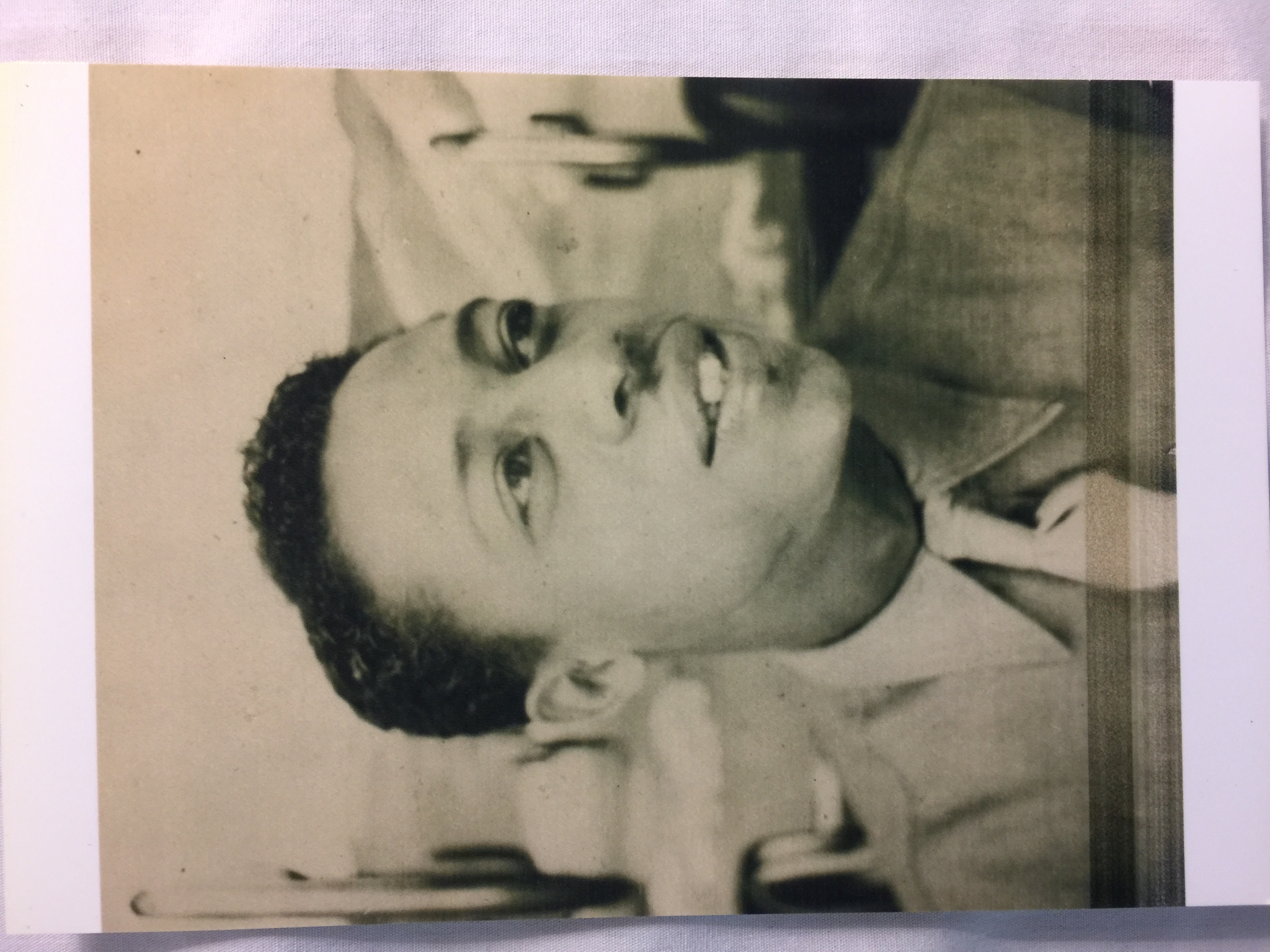

“Do not build your life around your career. Build your career around your life.”
This post is may not be applicable for everyone reading it. But everyone reading it will know someone for whom it is applicable. So I encourage you to consider forwarding the link to those people.
Most likely they will be under 40, early to mid career.
Here’s the message…
One of the most common mistakes people make is confusing career planning with life planning.
It typically begins with an assessment of skills, interests, strengths, experience, and opportunities. From there, a person identifies a path of advancement, prepares for promotion, develops additional capabilities, and works toward higher levels of responsibility and compensation.
There is nothing inherently wrong with that approach.
The problem is that it starts with the career.
Most people never stop to ask a more important question:
What kind of life am I trying to build?
The result is that millions of people spend decades climbing ladders without ever determining if whats at the top is what they desire.
A career is not a life.
It is merely one component of a life. A way to generate the income necessary to live.
The purpose of a career is not advancement.
The purpose of a career is to generate the resources necessary to enable the life you choose to live, that is if you so choose.
That distinction changes everything.
Instead of beginning with a job title, begin with a vision.
Imagine yourself ten years into the future.
Where do you live?
What does your home look like?
What kind of neighborhood surrounds you?
What do you drive?
How often do you travel?
What experiences do you want to have with your spouse, partner, children, family, and friends?
How much time do you want available for hobbies, fitness, learning, service, and exploration?
What legacy are you hoping to create?
What does a life well lived actually look like for you?
Not for your parents.
Not for your employer.
Not for society.
For you.
Once you answer those questions, the next step becomes surprisingly practical.
Determine the cost.
Most people never perform this exercise.
They know they want “more money.” But they have never calculated how much money is actually required to sustain the life they desire.
A dream without numbers remains a fantasy.
A dream attached to numbers becomes a goal.
Add together the costs of housing (including utilities and insurance), clothing, transportation, travel, education, retírement investing, recreation, healthcare, and the other elements that define your ideal lifestyle.
Convert those costs into a monthly free cash flow requirement - that is the amount of money that must flow into your life each month to sustain the life you have chosen?
Now the career conversation becomes far more interesting.
Instead of asking:
“How do I get promoted?”
You begin asking:
“What income-producing path is most likely to generate the cash flow necessary to enable the life I want (what value must I bring to the market in order to generate the required amount of free cash flow?)”
For some people, the answer will be advancement within their current profession.
For others, it may involve changing professions or industries.
For still others, it may require entrepreneurship, investment, ownership, or the creation of multiple income streams.
The answer is different for everyone. But the important part is that now there is a reason why behind you career planning.
The process is universal.
Most people reverse this sequence.
They allow their income to determine their lifestyle.
Then they spend years attempting to make incremental improvements to a life they never consciously designed.
A better approach is to design the lifestyle first.
Determine the destination.
Calculate the economic requirements.
Then architect your career, business, investments, and income-producing activities around that vision.
This approach creates something most people never possess:
A compelling reason why.
When you know exactly what you’re building, sacrifice becomes easier.
Learning becomes easier.
Discipline becomes easier.
Risk becomes easier.
You are no longer pursuing a promotion for the sake of a promotion.
You are pursuing the life you have chosen.
The career simply becomes one of the vehicles that gets you there.
The most successful people I have known were not accidental architects of their lives.
They were intentional.
They decided where they wanted to go.
Then they built the economic engine necessary to take them there.
Perhaps that is the ultimate purpose of career planning.
Not to determine what position you will hold.
But to determine how you will fund the life you intend to live.
Because in the end, nobody wishes they had accumulated a more impressive job title.
They wish they had lived more fully, loved more deeply, experienced more broadly, and left a meaningful legacy behind.
The career is not the destination.
The life is.
Vision first, architecture second, execution third.
Most people are trying to optimize a vehicle before they’ve chosen a destination. That simply doesn’t compute.
—
Namaste 🙏🏾
Mark Johnson
June 15, 2026


Comments